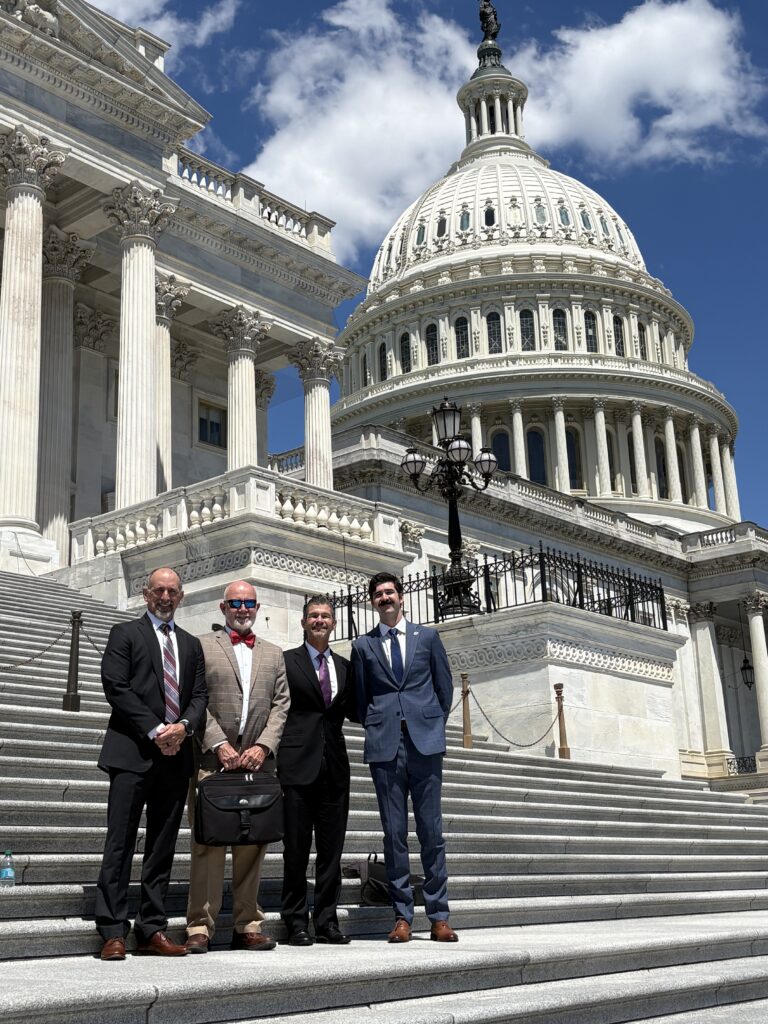

Fly-in participants meet with 30 congressional offices and call for a meaningful 2026 season, better data and stronger state-led management
This preliminary injunction was issued just hours before Florida’s Atlantic red snapper season under their EFP was set to begin, leading to immediate confusion, frustration and economic disruption for anglers, for-hire operators, marinas, tackle shops and coastal communities that had prepared for the opening of the 2026 season.
The American Sportfishing Association (ASA) and Coastal Conservation Association (CCA) have jointly moved to intervene in litigation challenging the National Marine Fisheries Service’s approval of state Exempted Fishing Permits (EFPs) for the 2026 South Atlantic red snapper season.
Anglers along the South Atlantic coast are celebrating today as President Trump announced the issuance of exempted fishing permits to Florida, Georgia, South Carolina and North Carolina.
State-Led Fisheries Management Advances; Review of Vessel Speed Rule Announced; Recreational Data Modernization Heralded
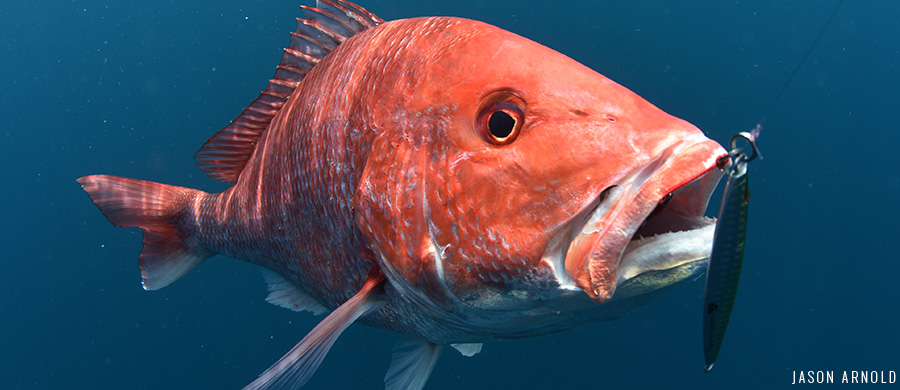
South Atlantic states offer hope for beleaguered red snapper fishery
Senators urge NOAA to prevent illegally harvested red snapper from being sold in American markets.
The Whale CHARTS Act takes an innovative and constructive approach to mitigating risk of vessel strikes by investing in improved data and by supporting the development and deployment of whale detection and awareness technologies.
For too long, federal mismanagement kept anglers tied to the dock, while a thriving red snapper population swam just out of reach.
This week, the Atlantic States Marine Fisheries Commission voted to allow an Atlantic menhaden catch that will not leave enough menhaden in the water for striped bass.
The decisions before the Board are not only about managing menhaden but about sustaining the health of the Atlantic coast’s fisheries, coastal economies, and the communities who depend on them. We ask the Board to act decisively and uphold its commitment to science-based, precautionary management.
Essentially, the bill uses a science basis to facilitate the voluntary conversion of oil and gas platforms to permanent reef fish habitat.