The argument that commercial landings are reported under mandatory reporting programs and therefore “accountable” is a complete fiction. By Brad Gentner Gentner Consulting Group LLC Anyone who has sat through...
Read More



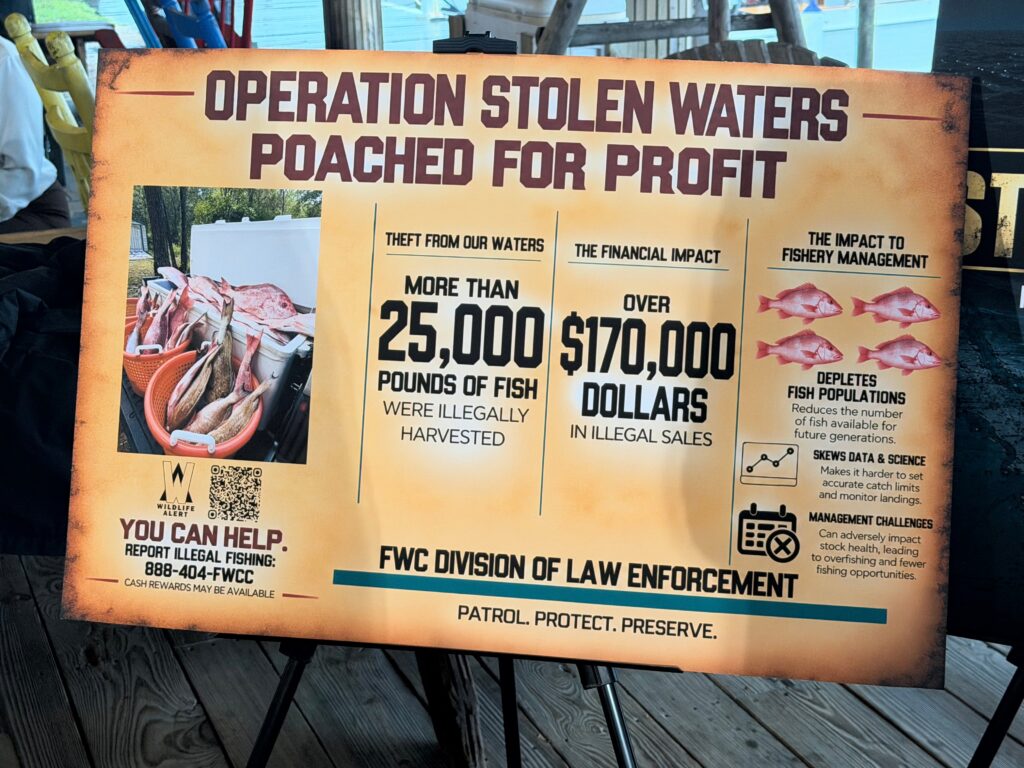
Arrests show cracks in the commercial catch share program.
The bipartisan bill would allow federal and state law enforcement officers to utilize technology that would determine the country of origin for certain species of fish, and confiscate any such illegally caught fish before sale in the United States.
The American Sportfishing Association (ASA) and Coastal Conservation Association (CCA) today thanked fisheries officials in Florida, Georgia and South Carolina for their continued work to develop state-led red snapper data collection programs following NOAA Fisheries’ issuance of new Exempted Fishing Permits (EFPs).
The order establishes a national policy to elevate marine recreational fishing in federal fisheries management and directs federal agencies to pursue better data and more modern management approaches, strengthen State-Federal partnerships, remove unnecessary barriers to access and advance innovative solutions for American anglers.
This bipartisan legislation would help conserve established marine ecosystems on offshore oil and gas infrastructure by facilitating the voluntary conversion of eligible structures into permanent artificial reefs through state Rigs-to-Reefs programs.
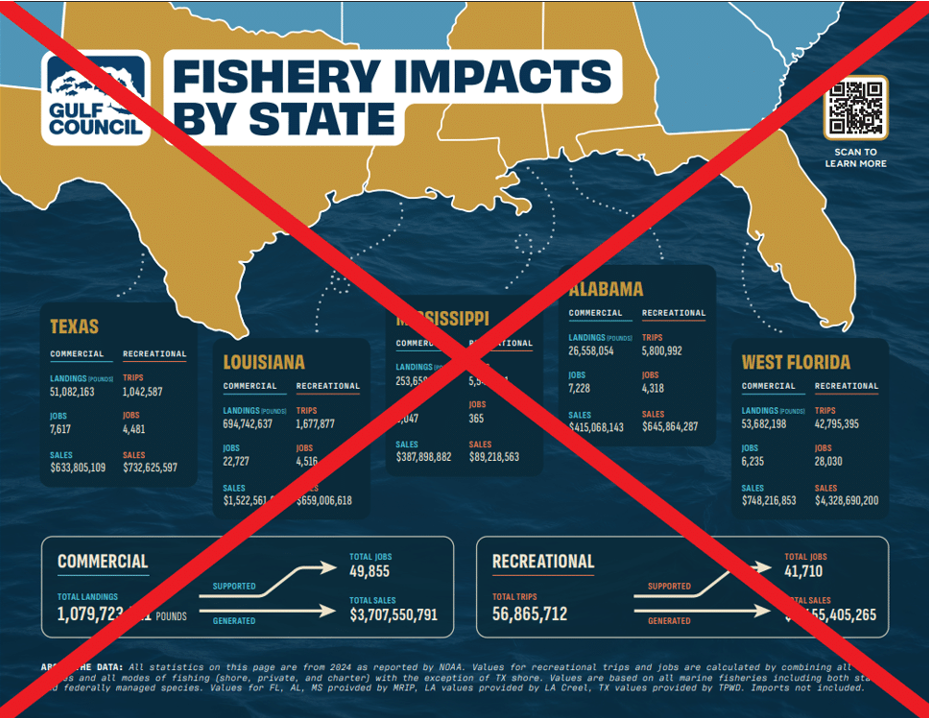
NOAA Fisheries is no longer including durable goods expenditures, such as boats, trailers, electronics, and fishing tackle, in its state-level estimates of recreational fishing expenditures. As a result, the economic footprint of recreational fishing presented to the Gulf Council is significantly understated, at precisely the wrong time.
190-page decision describes “overwhelming evidence” presented during six-week trial proving state coastal fisheries management failures
Florida, Georgia and South Carolina have filed revised Exempted Fishing Permits (EFPs) that would allow recreational harvest of red snapper in state and federal waters during a 31-day October season.
The coalition continues to support efforts to modernize South Atlantic red snapper management, improve recreational data collection and provide reasonable public access consistent with conservation.
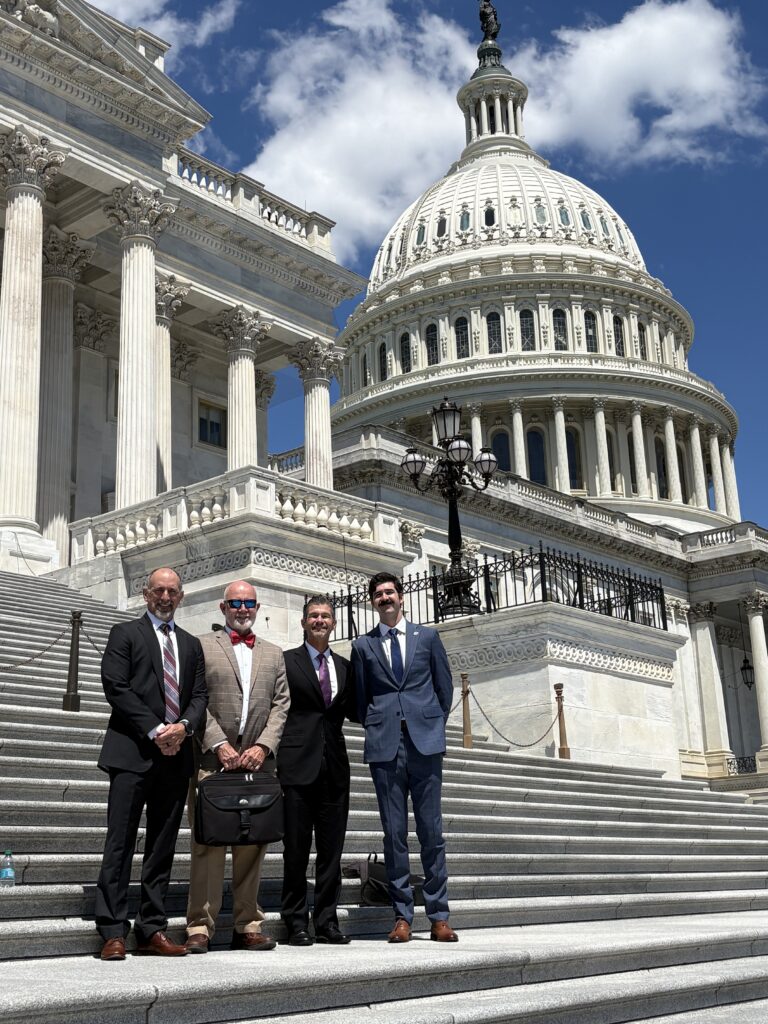
Fly-in participants meet with 30 congressional offices and call for a meaningful 2026 season, better data and stronger state-led management
This preliminary injunction was issued just hours before Florida’s Atlantic red snapper season under their EFP was set to begin, leading to immediate confusion, frustration and economic disruption for anglers, for-hire operators, marinas, tackle shops and coastal communities that had prepared for the opening of the 2026 season.









© 2026 Coastal Conservation Association. All rights reserved.
6919 Portwest, Suite 100 Houston, Texas 77024
Transparency in Coverage